


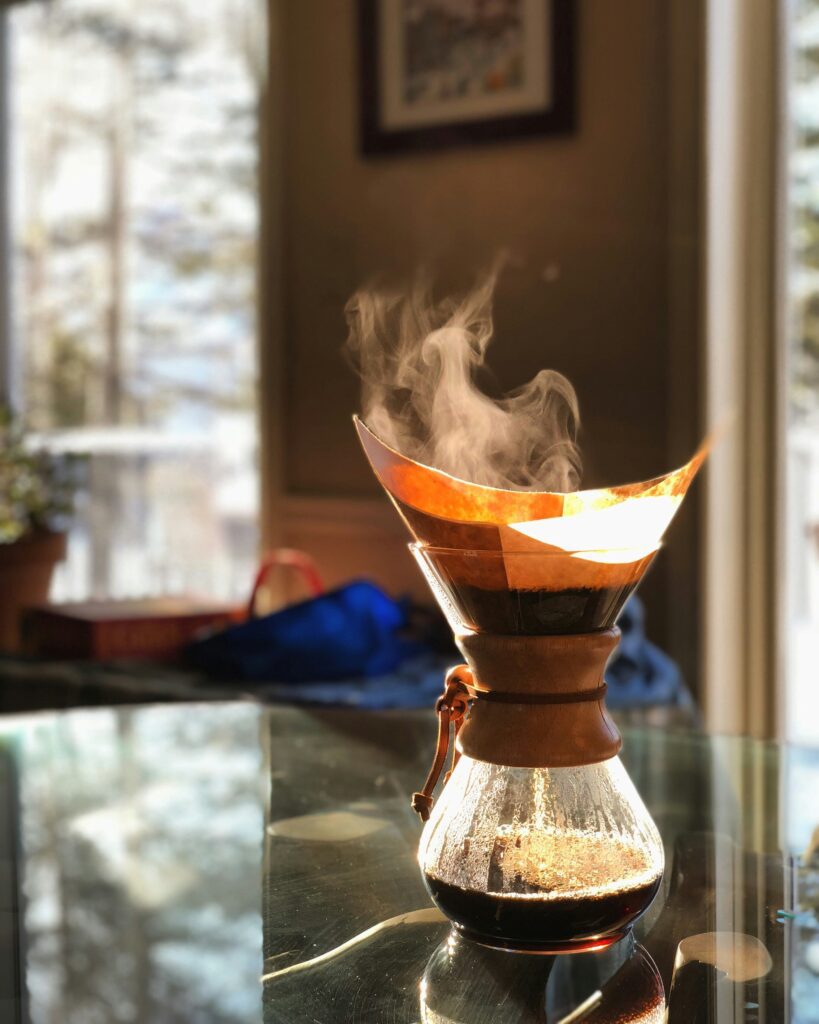
Is coffee your morning ritual? I can vouch 100% that it has been mine, in any part of the world I travel. Coffee is a complex beverage with a rich history and diversity, from the concentrated intensity of espresso to the dessert-like indulgence of a mocha. Beyond the café menu, your brewing method shapes its flavor, clarity and even its health effects, not to forget sports performance: https://ranilharshana.com/tennis-fitness/coffe-serve-for-tennis-players/
Espresso-Based Drinks: How They Differ
Coffee drinks vary mainly in the ratio of three components: espresso, steamed milk and milk foam. Most build on espresso, a strong, concentrated coffee made by forcing hot water through finely ground beans. Each country has its own distinct taste, from Italy and South America to Central Asia, South East Asia and the Middle East.
Espresso and its strong siblings
- Espresso: a single concentrated shot, often served in a small cup.
- Doppio: simply a double shot of espresso, for a stronger caffeine hit.
- Americano: a shot of espresso with hot water added, giving a strength similar to drip coffee but a different flavor profile.
- Macchiato: Italian for “stained”, an espresso marked with just a small dollop of steamed milk or foam.
- Cortado: a balanced Spanish drink with equal parts espresso and steamed milk and little to no foam, designed to “cut” the espresso’s intensity.
Milky and creamy creations
- Latte: the mildest and milkiest, made with about one-third espresso and two-thirds steamed milk, topped with a thin layer of foam.
- Cappuccino: known for its layers, traditionally equal parts espresso, steamed milk and thick milk foam.
- Flat white: from Australia or New Zealand (both claim it), a double shot of espresso blended with steamed, micro-foamed milk for a velvety texture without a thick foam layer.
- Breve: an American variation of a latte made with steamed half-and-half instead of milk, for an exceptionally rich and creamy texture.
Chocolate, cold and dessert coffees
- Mocha: a sweet treat combining espresso with steamed milk and chocolate syrup or powder, often topped with whipped cream. It is a fusion of hot chocolate and coffee.
- Cold brew: coffee grounds steeped in cold water for 12–24 hours, producing a smooth, mellow cup. It is often made as a concentrate and then diluted, so its caffeine per cup varies widely. Despite its reputation, it is not much lower in acidity by pH: in a lab comparison of light-roast coffees, hot and cold brews had similar pH (about 4.85–5.13), although the hot brews had more titratable acids and higher antioxidant activity [1].
- Iced coffee: typically hot coffee (often a stronger batch) brewed and then chilled quickly, usually by pouring it over ice.
- Affogato: an Italian dessert in which a shot of hot espresso is poured over a scoop of vanilla ice cream or gelato.
| Drink | Espresso | Steamed milk | Foam | Character |
|---|---|---|---|---|
| Espresso | 1 shot | None | None | Strong, concentrated base |
| Americano | 1 shot plus hot water | None | None | Diluted espresso, similar strength to drip coffee |
| Macchiato | 1 shot | A small amount | A small amount | “Stained” espresso |
| Cortado | 1 part | 1 part | Very little | Balanced milk-to-espresso ratio |
| Cappuccino | 1 part | 1 part | 1 part | Distinctly layered, fluffy foam |
| Latte | 1 part | 2–3 parts | Thin layer | Mildest, milkiest option |
| Flat white | 2 shots | Steamed microfoam | Integrated, not layered | Velvety, strong coffee flavor |
| Mocha | 1 shot | Steamed milk | Optional (whipped cream is common) | Includes chocolate syrup or powder |
Ratios vary by café and country, so treat the table as a guide.
The Science of the Paper Filter
The paper coffee filter, invented over a century ago, remains a favorite for producing a clean, crisp cup. This pour-over method relies on gravity, not pressure, to pull hot water through the grounds. I use it whenever I can, and I recommend it to athletes and wellness seekers.
Why choose paper filters?
- Clarity of flavor: paper traps fine sediment and coffee oils, giving a lighter-bodied brew in which subtle notes, such as fruity acidity or floral aromas, can shine.
- Convenience and consistency: filters are disposable, cleanup is minimal and the method is repeatable.
- Heart health: Coffee beans contain two oily compounds, cafestol and kahweol (diterpenes), that raise LDL (“bad”) cholesterol. A meta-analysis of randomized trials found that unfiltered coffee raised total and LDL cholesterol, while filtered coffee had essentially no effect [2]. In a 20-year study of 508,747 Norwegians, people drinking 1–4 cups a day of filtered coffee had the lowest mortality, while those drinking 9 cups of unfiltered coffee had the highest [3]. The American Heart Association’s 2026 scientific statement likewise advises filtered over unfiltered coffee if your LDL cholesterol is elevated [4]. This is an observational finding with a moderate effect, so it matters most if you drink a lot of unfiltered coffee (French press, boiled or Turkish) or already have raised cholesterol.
How to brew the perfect filter coffee
- Boil and grind: heat fresh water to about 95 °C (just off the boil). Grind the beans to a medium consistency, similar to coarse sand.
- Prepare the filter: place a paper filter in your dripper (a V60 or Chemex). Rinse it with hot water to remove any paper taste and pre-heat the vessel, then discard the rinse water.
- Add coffee and bloom: use a standard ratio of 1 g of coffee to 16 g of water. Start your timer and pour just enough water to saturate the grounds. Let it “bloom” for 30 seconds while gases escape.
- Pour slowly: pour the rest of the water in a steady spiral, from the center outward, saturating all the grounds evenly. The whole brew should take about 3–3.5 minutes.
- Enjoy: when dripping stops, remove the filter and enjoy. Let the cup cool for a few minutes first. The WHO’s cancer agency classifies drinking beverages hotter than 65 °C as probably carcinogenic for the esophagus, and it is the temperature, not the coffee, that is the concern [5].
Show: weigh your coffee and water for a week. A 20 g dose with 320 g of water makes one large mug at the 1:16 ratio.
Health and Wellness Factors
Coffee contains polyphenols, including chlorogenic acids, and roasting forms brown melanoidins. These compounds show antioxidant activity in lab tests [1], but whether they explain the health associations seen in population studies has not been established. Lab results also vary with roast and brew method. In one comparison, hot brew had higher antioxidant activity than cold brew, and the gap grew with darker roasts [1]. No one has shown that these differences change health outcomes, and decaffeinated coffee has shown similar associations for several outcomes in a large review [6]. So choose your roast and brew by taste and tolerance, not by an antioxidant score.
Science-Based Health and Wellness Benefits
For most adults, moderate coffee consumption is safe and is associated with several benefits. Here is a deeper look at the evidence, but always consult your physician or medical doctor before making dietary changes or taking supplements.
- Heart health and longevity: In July 2026 the American Heart Association concluded that up to 400 mg of caffeine a day, roughly three to five 8-ounce cups of brewed coffee, is generally safe for most adults. Coffee without added sugar or cream is linked to a lower risk of type 2 diabetes, heart disease, stroke and heart failure, although responses vary with age, medications, health conditions and genetics [4]. An umbrella review of 218 meta-analyses found that three to four cups a day was associated with the largest relative reductions, about 17% lower all-cause mortality, 19% lower cardiovascular mortality and 15% lower cardiovascular disease versus no coffee. The authors stress that these are observational associations that could be confounded, and they do not recommend starting coffee for health reasons [6]. Under the FDA’s updated “healthy” claim rule, plain coffee with fewer than five calories per serving qualifies to carry the claim [7].
- Beyond the heart: The same umbrella review found coffee drinking associated with a lower risk of type 2 diabetes, kidney stones, Parkinson’s disease, Alzheimer’s disease, depression, gout, liver disease, and liver, endometrial and colorectal cancers [6]. The International Agency for Research on Cancer does not classify coffee as a carcinogen (Group 3, “not classifiable”). Studies showed lower risks of liver and uterine cancer, but IARC does not consider that proof that coffee protects against cancer [5].
- The art of preparation: How you brew matters for cholesterol. Boiled or unfiltered coffee (French press, Turkish) contains cafestol and kahweol, which raise LDL cholesterol, and paper filters trap most of them [2][3][4].
Negative Effects and Important Cautions
Even with plenty of positives, the science also points to risks with overconsumption or in specific circumstances.
- Dose and the “J-shaped curve”: In the umbrella review, going above three cups a day did not show clear harm for mortality, but the extra benefit faded [6]. The caffeine dose still matters. EFSA considers up to 400 mg a day, and single doses up to 200 mg, safe for non-pregnant adults [8], and unfiltered coffee at high intakes was linked with higher mortality in Norway [3].
- Caffeine-related side effects: Too much caffeine can cause anxiety, jitters, insomnia, digestive upset, palpitations and a temporary rise in heart rate and blood pressure [4]. EFSA noted that even a 100 mg dose close to bedtime may delay sleep onset and shorten sleep in some adults [8]. Coffee can also loosen stools in some people, and regular high intake can lead to physical dependence, with withdrawal headaches, fatigue and irritability if you stop suddenly. Energy drinks and energy shots carry far more caffeine per ounce than coffee, and the AHA advises avoiding them [4].
Specific populations at risk
- Pregnancy: EFSA considers caffeine up to 200 mg a day, a little over two cups of filter coffee, to raise no safety concerns for the fetus [8]. In the umbrella review, high coffee intake in pregnancy was associated with higher odds of low birth weight, preterm birth and pregnancy loss [6].
- Women at risk of fracture: Coffee drinking was associated with a higher fracture risk in women but not men, so women with osteoporosis or a high fracture risk may want to keep intake low [6].
- Those adding sugar and cream: A 2025 Tufts University study found that one to two cups a day of caffeinated coffee, black or with little sugar and saturated fat, was associated with 14% lower all-cause mortality, but that association was not seen when high amounts of sugar and saturated fat were added [9].
- Anyone taking medication: Check with your doctor before making coffee a habit, because medications can change how you respond to caffeine [4].
How to Drink Coffee for Wellness
- Prioritize filtered brews. For daily drinking, a paper-filter method (drip machine or pour-over) gives you coffee without the cholesterol-raising diterpenes [2][3][4].
- Embrace moderation. Aim for up to 400 mg of caffeine a day [4][8]. Show: a 200 ml cup of filter coffee has about 90 mg of caffeine and a 60 ml espresso about 80 mg [8], so add up your day.
- Mind your additives. Drink it black or with small amounts of milk or sweetener. The benefits are tied to the coffee, not the sugar and cream [4][9].
- Time it right. In a study of 40,725 US adults, morning-only coffee drinkers had 16% lower all-cause mortality and 31% lower cardiovascular mortality than non-drinkers, while all-day drinkers showed no significant association. It is observational and cannot say why, although late-day caffeine disrupting sleep is a plausible explanation [10].
- Drink it warm, not scalding. Let it cool below about 65 °C [5].
Coffee and Sports Performance
Caffeine is one of the best-studied performance aids. The International Society of Sports Nutrition concludes that caffeine consistently improves exercise performance at 3–6 mg per kg of body weight, that the minimum effective dose may be as low as 2 mg per kg, and that doses of 9 mg per kg bring more side effects without extra benefit. It is most often taken about 60 minutes before exercise, the best timing depends on the source, and individual responses vary widely [11]. For tennis players, I would start low and test in practice, never for the first time on match day.
Show: for a 70 kg player, 2–3 mg per kg is about 140–210 mg, roughly 1.5–2.5 cups of filter coffee. EFSA treats single doses up to 200 mg as safe for adults, including shortly before intense exercise [8].
Do: try one dose in training, note how your stomach, nerves and heart rate respond, and avoid late-evening matches on a coffee-heavy day, since sleep is part of recovery.
Crafting Your Perfect Coffee
Your ideal coffee is a personal equation balancing flavor preference, desired caffeine effect, sports performance and health considerations.
- Flavor exploration: start with a clean paper-filter brew to appreciate a single-origin bean’s true notes. Then explore how milk transforms it in a latte or how chocolate complements it in a mocha.
- Wellness and health-conscious choices: if you are sensitive to caffeine or its blood pressure effects, consider decaf or a smaller serving such as a cortado. If you have high LDL cholesterol, lean on paper-filtered brews, because espresso and stovetop pots use metal filters.
- Daily ritual: invest in a quality grinder and fresh beans. Whether you choose the meditative pour-over or the quick richness of a stovetop mocha pot, consistency in your technique is the secret to a great daily cup.
The Final Word
- Tell: moderate coffee, up to about 400 mg of caffeine a day, is generally safe for most adults and is associated with lower risk of several diseases, though most of that evidence is observational. How you brew and what you add matter.
- Show: count your caffeine for a week and notice what your brew method is.
- Do: choose paper-filtered coffee, keep it black or lightly sweetened, drink it mostly in the morning, let it cool a little, and test caffeine before sport.
Share your coffee routine, and tell me your favorite!
Read the history to the modern era of world wellness: https://www.amazon.com/WELLNESS-EVEXIA-365-CCCLXV-Perspective/dp/B0CDZ21SNN/
Check our YouTube for coffee: https://youtu.be/OElQYMtCUok
Coffee subscription: https://www.pntrac.com/t/SkNLRklLTUdDR09ORk5GQ0dLT0ZMSw
Some links on this page may be affiliate links.
This article is for general education and is not medical advice. Check with your physician before changing your diet, especially during pregnancy, with heart conditions, or if you take medication.
References
- Rao NZ, Fuller M. Acidity and antioxidant activity of cold brew coffee. Sci Rep. 2018;8:16030. doi:10.1038/s41598-018-34392-w. https://pmc.ncbi.nlm.nih.gov/articles/PMC6207714
- Jee SH, He J, Appel LJ, Whelton PK, Suh I, Klag MJ. Coffee consumption and serum lipids: a meta-analysis of randomized controlled clinical trials. Am J Epidemiol. 2001;153(4):353–362.
- Tverdal A, Selmer R, Cohen JM, Thelle DS. Coffee consumption and mortality from cardiovascular diseases and total mortality: does the brewing method matter? Eur J Prev Cardiol. 2020. doi:10.1177/2047487320914443
- Marcus GM, Hu FB, van Dam RM. Caffeine and cardiovascular disease: a scientific statement from the American Heart Association. Circulation. Published online July 20, 2026. doi:10.1161/CIR.0000000000001454. https://newsroom.heart.org/news/coffee-and-heart-health-how-many-cups-of-caffeinated-coffee-are-safe-to-drink-each-day
- Loomis D, Guyton KZ, Grosse Y, et al. Carcinogenicity of drinking coffee, mate, and very hot beverages. Lancet Oncol. 2016;17(7):877–878. doi:10.1016/S1470-2045(16)30239-X
- Poole R, Kennedy OJ, Roderick P, Fallowfield JA, Hayes PC, Parkes J. Coffee consumption and health: umbrella review of meta-analyses of multiple health outcomes. BMJ. 2017;359:j5024. doi:10.1136/bmj.j5024
- U.S. Food and Drug Administration. Food labeling: nutrient content claims; definition of term “healthy.” Final rule announced December 19, 2024; effective February 25, 2025.
- EFSA Panel on Dietetic Products, Nutrition and Allergies. Scientific opinion on the safety of caffeine. EFSA J. 2015;13(5):4102. doi:10.2903/j.efsa.2015.4102
- Zhou B, Ruan M, Pan Y, Wang L, Zhang FF. Coffee consumption and mortality among US adults: a prospective cohort study. J Nutr. 2025. doi:10.1016/j.tjnut.2025.05.004
- Wang X, et al. Coffee drinking timing and mortality in US adults. Eur Heart J. 2025. doi:10.1093/eurheartj/ehae871
- Guest NS, VanDusseldorp TA, Nelson MT, et al. International Society of Sports Nutrition position stand: caffeine and exercise performance. J Int Soc Sports Nutr. 2021;18:1. doi:10.1186/s12970-020-00383-4