

Is Coffee your morning ritual ? I can vouch 100% this has been mine any part of the world I travel —it’s a complex beverage with a rich history and diversity. From the concentrated intensity of espresso to the dessert-like high of mocha, each coffee drink offers a unique experience. Beyond the café menu, your brewing method, from classic paper filters to modern cold brew techniques, impacts its flavor, clarity, and even health benefits not to forget sports performance https://ranilharshana.com/tennis-fitness/coffe-serve-for-tennis-players/
Coffee drinks primarily vary based on their ratio of three core components: espresso, steamed milk, and milk foam. These drinks build upon a foundation of espresso—a strong, concentrated coffee brewed by forcing hot water through finely-ground beans each country has its own distinct taste ranging from Italy, South America, Central Asia, South East Asia & Middle East.
Dark Bean VariationS
- Espresso: A single, concentrated shot, often served in a small cup.
- Doppio: Simply a double shot of espresso for a stronger caffeine hit.
- Americano: Created by adding hot water to a shot of espresso, resulting in a strength similar to drip coffee but with a different flavor profile.
- Macchiato: Meaning “stained” in Italian, this is an espresso “stained” with just a small dollop of steamed milk or foam.
- Cortado: A balanced Spanish drink featuring equal parts espresso and steamed milk with little to no foam, designed to “cut” the espresso’s intensity.
Milky and Creamy Creations
- Latte: The mildest and milkiest, made with one-third espresso and two-thirds steamed milk, topped with a thin layer of foam.
- Cappuccino: Known for its layers, it’s traditionally composed of equal parts espresso, steamed milk, and thick milk foam.
- Flat White: Originating from Australia/New Zealand, it features a double shot of espresso blended with steamed, micro-foamed milk for a velvety texture without a thick foam layer.
- Breve: An American variation of a latte made with steamed half-and-half (a blend of milk and cream) instead of milk, creating an exceptionally rich and creamy texture.
Chocolate, Cold, and Dessert Coffees
- Mocha: A sweet treat, the mocha combines espresso with steamed milk and chocolate syrup or powder, often topped with whipped cream. It is a fusion of hot chocolate and coffee.
- Cold Brew: Made by coffee grounds in cold water for 12-24 hours, this method produces a smooth, less acidic, and highly caffeinated coffee.
- Iced Coffee: Typically made by brewing hot coffee (often a stronger batch) and then chilling it immediately, usually by pouring it over ice.
- Affogato: An Italian dessert where a shot of hot espresso is poured directly over a scoop of vanilla ice cream or gelato.
| Drink | Espresso | Steamed Milk | Milk Foam | Type |
|---|---|---|---|---|
| Espresso | 1 shot | None | None | Strong, concentrated base |
| Americano | 1 shot | None (hot water added) | None | Diluted espresso, similar strength to drip coffee |
| Macchiato | 1 shot | A small amount | A small amount | “Stained” espresso |
| Cortado | 1 part | 1 part | Very little | Perfect milk-to-espresso balance |
| Cappuccino | 1 part | 1 part | 1 part | Distinctly layered, fluffy foam |
| Latte | 1 part | 2-3 parts | Thin layer | Mildest, milkiest option |
| Flat White | 2 shots | Steamed microfoam | Integrated, not layered | Velvety, strong coffee flavor |
| Mocha | 1 shot | Steamed milk | Optional (whipped cream common) | Includes chocolate syrup/powder |
The Science of the Paper Filter
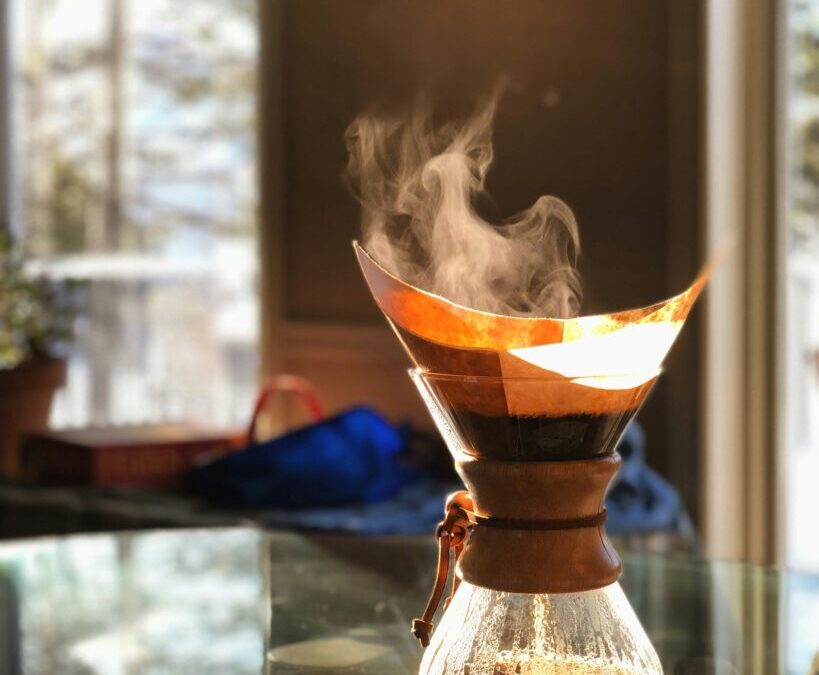
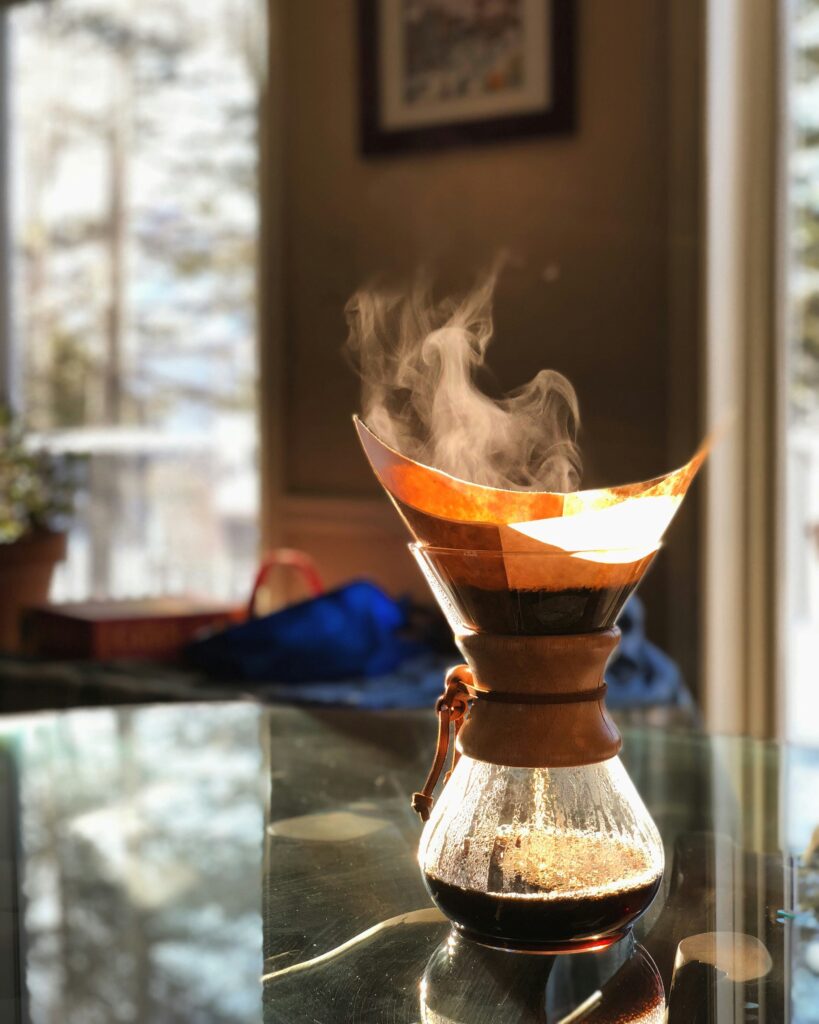
The paper coffee filter, invented over a century ago, remains a favorite for its ability to produce a clean, crisp cup. This pour-over method relies on gravity, not pressure, to pull hot water through coffee grounds. I try to use this method when possible and also recommend this to athletes or wellness seekers
Why Choose Paper Filters?
- Clarity of Flavor: Paper filters effectively trap fine sediment and coffee oils, resulting in a lighter-bodied brew where the subtle flavors of the bean—like fruity acidity or floral notes—can shine through without distraction.
- Convenience and Consistency: They are disposable, making cleanup minimal, and they offer a reliable, repeatable brewing method.
- Health Consideration: Some studies suggest that filtered coffee (using paper filters) may be better for heart health as the filter traps certain compounds that can raise cholesterol levels, though this is an area of ongoing research.
How to Brew the Perfect Filter Coffee
- Boil & Grind: Heat fresh water to about 95°C (just off the boil). Grind coffee beans to a medium consistency, similar to coarse sand.
- Prepare the Filter: Place a paper filter in your dripper (like a V60 or Chemex). Rinse it thoroughly with hot water to eliminate any paper taste and pre-heat your vessel. Discard the rinse water.
- Add Coffee & Bloom: Add your ground coffee (a standard ratio is 1 gram of coffee to 16 grams of water). Start your timer and pour just enough water to saturate all the grounds. Let it “bloom” for 30 seconds as gases escape.
- Pour Slowly: Slowly pour the remaining water in a steady, spiral motion, starting from the center and moving outward, ensuring all grounds are evenly saturated. The entire brewing process should take about 3-3.5 minutes.
- Enjoy: Once dripping stops, remove the filter and enjoy a clean, flavorful cup.
Health and Wellness FacTORS
Coffee is one of the richest dietary sources of antioxidants for many people worldwide. These compounds combat oxidative stress, a process linked to aging and chronic diseases.
- Key Antioxidants: The primary antioxidants in coffee are polyphenols, including chlorogenic acids and flavonoids. During roasting, melanoidins (which give coffee its brown color) are formed, and these are also potent antioxidants.
- Potential Health Impacts: Research suggests regular, moderate coffee consumption is associated with a lower risk of several conditions, including type 2 diabetes, Parkinson’s disease, Alzheimer’s disease, and certain cancers (like liver and colorectal cancer). The antioxidants are believed to play a key role in these protective effects.
- Maximizing Antioxidants: Brewing method matters. Espresso and instant coffee tend to retain higher concentrations of antioxidants like melanoidins and chlorogenic acids compared to more diluted methods like Americano. Interestingly, medium-roast beans often show higher antioxidant activity than light or dark roasts.
Side Effects of Overconsumption
While 3-4 cups per day (or up to 400mg of caffeine) is generally considered safe for most adults, individual tolerance varies. Excessive intake can lead to:
- Anxiety and Sleep Disruption: Caffeine blocks sleep-inducing adenosine and triggers adrenaline release, which in high doses can cause anxiety, jitters, and significantly impair sleep quality.
- Digestive Issues: Coffee stimulates the release of gastrin, a hormone that speeds up colon activity, which can lead to loose stools or diarrhea in some people.
- Dependency: While not a classic addiction, regular high intake can lead to physical dependence, with withdrawal symptoms like headaches, fatigue, and irritability.
- Elevated Heart Rate and Blood Pressure: The stimulant effect can temporarily increase both heart rate and blood pressure, a consideration for those with related health concerns.
Crafting Your Perfect Coffee
Your ideal coffee is a personal equation balancing flavor preference, desired caffeine effect, Sports performance and health considerations.
- Flavor Exploration: Start with a clean paper-filter brew to appreciate a single-origin bean’s true notes. Then, explore how milk transforms it in a latte or how chocolate complements it in a mocha.
- Wellness/Health-Conscious Choices: If you’re sensitive to caffeine or its blood pressure effects, consider a decaf option or a smaller serving like a cortado. To maximize antioxidant intake, opt for a medium-roast coffee brewed as espresso or filter.
- Daily Ritual: Invest in a quality grinder and fresh beans. Whether you choose the meditative pour-over with a paper filter or the quick richness of a stovetop mocha pot, consistency in your technique is the secret to a great daily cup.
SCIENCE BASED Health and Wellness Benefits
The science shows that for most adults, moderate coffee consumption is not just safe but beneficial. Here is a deeper look at the evidence however always consult your physician /medical doctor prior to taking coffee or any other supplements or dietary changes :
- Heart Health and Longevity: A large 2023 review concluded that regular coffee drinking is linked to a decreased risk of hypertension, heart failure, and atrial fibrillation. Perhaps most compelling is the data on longevity: numerous large-scale studies across the U.S., Europe, and Asia find that moderate consumption (typically 3 to 5 cups per day) is associated with a lower risk of death from all causes. This body of evidence is strong enough that the U.S. FDA allows coffee with minimal calories to carry a “healthy” claim.
- Beyond the Heart: The benefits extend to other systems. A major 2017 umbrella review of meta-analyses found coffee consumption associated with a lower risk of several specific cancers and neurological, metabolic, and liver conditions. Notably, the International Agency for Research on Cancer (IARC) does not classify coffee as a carcinogen and notes it may reduce the risk of liver and uterine cancers.
- The Art of Preparation: How you brew your coffee matters significantly for heart health. Boiled or unfiltered coffee (like French press or Turkish coffee) contains oily compounds called diterpenes (cafestol and kahweol), which can inhibit bile acid synthesis and raise LDL (“bad”) cholesterol levels. Paper filters effectively trap these compounds, making filtered coffee a significantly better choice for managing cholesterol.
Negative Effects and Important Cautions
Even with lot of positives , science also points to important negatives and risks associated with overconsumption or specific circumstances.
- The J-Shaped Curve and Heart Disease: The relationship between coffee and coronary heart disease is complex. Research often shows a J-shaped association: moderate consumption may decrease risk, while heavy consumption (often defined as >4-6 cups per day) could increase it.
- Caffeine-Related Side Effects: Common issues from too much caffeine include anxiety, jitters, insomnia, digestive upset, and increased heart rate. For some people, high intake can lead to caffeine dependence, Dependence is characterized by a persistent desire to cut down, withdrawal symptoms (like headaches and fatigue), and continued use despite harm.
- Specific Populations at Risk:
- Pregnant Individuals : Consistent evidence shows that high coffee/caffeine intake during pregnancy is associated with increased risks of low birth weight, preterm birth, and pregnancy loss. Health authorities recommend limiting caffeine to 200 mg per day or less (about two small cups).
- Those Adding Sugar and Cream: A 2025 study from Tufts University highlighted a crucial modifier: the health benefits of coffee appear to be significantly diminished or absent when high amounts of sugar and saturated fat are added. The mortality benefit was strongest for black coffee or coffee with minimal additives.
- Anyone who takes any type of medication should consult your Doctor prior to drinking coffee to mitigate any interaction
How to Drink Coffee for Wellness
Here is how to apply these scientific findings to your daily routine:
- Prioritize Filtered Brews: For daily consumption, choose methods that use a paper filter (drip machine, pour-over) to enjoy the antioxidant benefits without the cholesterol-raising diterpenes.
- Embrace Moderation: Aim for the sweet spot of 3-4 cups per day (or up to 400mg of caffeine), which is associated with the greatest risk reduction for mortality and major diseases.
- Mind Your Additives: To maximize benefits, drink your coffee black or with only small amounts of milk/sweetener. The compounds that provide health benefits are in the coffee itself, not the sugar and cream.
- Time It Right: New research suggests drinking coffee primarily in the morning may be more beneficial than spreading intake throughout the day. A 2025 study found morning coffee drinkers had a lower risk of cardiovascular death than all-day drinkers, possibly because afternoon/evening caffeine can disrupt sleep and circadian rhythms.
Share your coffee routine and what is your favorite ??
Read history to modern era of world wellness https://www.amazon.com/WELLNESS-EVEXIA-365-CCCLXV-Perspective/dp/B0CDZ21SNN/
Check our You Tube for Coffee : https://youtu.be/OElQYMtCUok
Coffee Subscription : https://www.pntrac.com/t/SkNLRklLTUdDR09ORk5GQ0dLT0ZMSw
Purchase the Coffee related via amazon : https://www.amazon.com/shop/ranilharshana/
References :
Mendoza MF, Sulague RM, Posas-Mendoza T, Lavie CJ. Impact of Coffee Consumption on Cardiovascular Health. Ochsner J. 2023 Summer;23(2):152-158. doi: 10.31486/toj.22.0073. PMID: 37323518; PMCID: PMC10262944.
Emadi RC, Kamangar F. Coffee’s Impact on Health and Well-Being. Nutrients. 2025 Aug 5;17(15):2558. doi: 10.3390/nu17152558. PMID: 40806142; PMCID: PMC12348139.
Poole R, Kennedy OJ, Roderick P, Fallowfield JA, Hayes PC, Parkes J. Coffee consumption and health: umbrella review of meta-analyses of multiple health outcomes. BMJ. 2017 Nov 22;359:j5024. doi: 10.1136/bmj.j5024. Erratum in: BMJ. 2018 Jan 12;360:k194. doi: 10.1136/bmj.k194. PMID: 29167102; PMCID: PMC5696634.
Meredith SE, Juliano LM, Hughes JR, Griffiths RR. Caffeine Use Disorder: A Comprehensive Review and Research Agenda. J Caffeine Res. 2013 Sep;3(3):114-130. doi: 10.1089/jcr.2013.0016. PMID: 24761279; PMCID: PMC3777290.
Ding, M., et al. (2014). Caffeinated and decaffeinated coffee consumption and risk of type 2 diabetes. Diabetes Care.
Grosso, G., et al. (2017). Coffee, caffeine, and health outcomes: An umbrella review. Annual Review of Nutrition.
Guest, N. S., et al. (2021). ISS Position Stand: caffeine and exercise performance. Journal of the International Society of Sports Nutrition.
Smith, A. (2020). Effects of caffeine on human behavior. Food and Chemical Toxicology.
Wierzejska, R. (2017). Can coffee consumption lower the risk of Alzheimer’s disease and Parkinson’s disease? Archives of Medical Science.