

The Wellness TONIC: Green vs. King Coconut
In the world of health and wellness , few natural beverages carry the the class as of coconut water. Often referred as “Nature’s IV fluid,” it has travelled from a tropical vacation treat to supermarkets around the world. But as you walk through the aisles, you’re likely to have two distinct choices: the standard Green (Tender) Coconut and the vibrant, golden King Coconut.
While both offer hydration, their properties, nutrient density, and roles in a wellness routine differ significantly.
Understanding the GREEN & ORANGE
To choose the right tonic, we must first look at their botanical history personally I love and vouches for both for athletes hands down its the King Coconut and for for relaxing and wellness either would work and due to the availability Green Coconut is a must in your travel plans.
- Green (Tender) Coconut: These are the young fruits of the Cocos nucifera palm, grown globally. They are harvested primarily for their versatility—providing both refreshing water and a soft, edible “meat” that is rich in medium-chain triglycerides (MCTs).
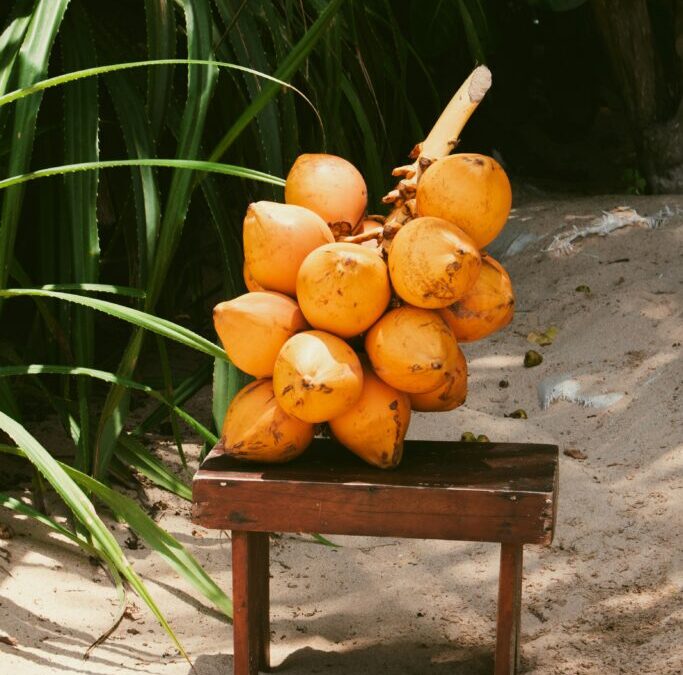
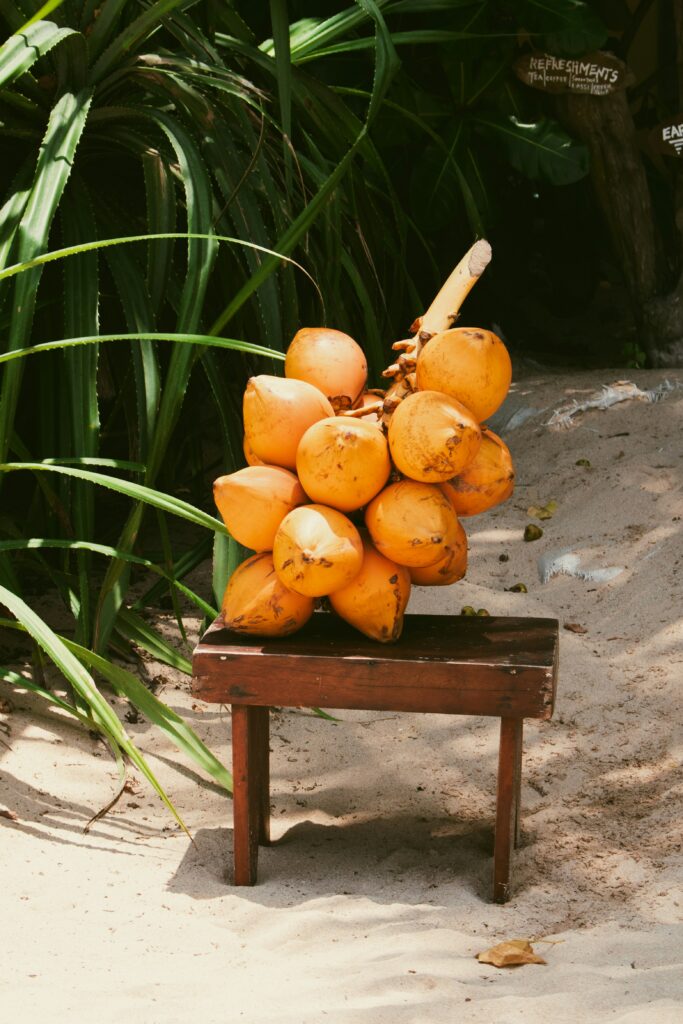
- King Coconut (Thambili): Exclusive to the tropical paradise of Sri Lanka, the Cocos nucifera var. aurantiaca is a bright orange drupe. Unlike its green cousin, the King Coconut is grown almost exclusively for its liquid. In Ayurvedic medicine, it has been prescribed for centuries as a “cooling” treatment to balance internal heat and expel toxins.
If you like to to learn more about historical evolution of wellness around the world check out my book
Wellness Evexia https://www.amazon.com/WELLNESS-EVEXIA-365-CCCLXV-Perspective/dp/B0CDZ21SNN/
Nutritional Profile:
For daily wellness, the subtle differences in mineral concentration can impact everything from your heart health to your skin’s glow.
| Green (Tender) Coconut | King Coconut (Thambili) | |
| Primary Use | Culinary & General Hydration | Medicinal & Therapeutic Hydration |
| Potassium Levels | High | Significantly Higher |
| Magnesium & Calcium | Moderate | Higher concentration |
| Sugar Profile | Balanced Glucose/Fructose | Higher Natural Sucrose (Easier Digestion) |
| Bioactive Enzymes | Present | Highly Concentrated (Acid Phosphatase) |
Benefits for Daily Wellness
1. Internal Cleanser
King Coconut water is prized in holistic circles for its alkalizing effect on the body. While the modern diet is often highly acidic (processed foods, caffeine, stress, pollution ), the high mineral salts in King Coconut help neutralize pH levels. Its bioactive enzymes, such as diastase and RNA-polymerase, aid in metabolic detoxification, helping the liver and kidneys process waste more efficiently.
2. Anti-Aging
Both varieties contain cytokinins, plant hormones that have been studied for their anti-aging effects on human cells. However, the King Coconut’s superior Vitamin C and L-arginine content make it a potent ally against oxidative stress. Regular consumption supports collagen synthesis, providing a “inside out ” glow that topical serums struggle to replicate .
3. Stress ReducTION and Heart Health
The high Magnesium content in King Coconut acts as a natural relaxant. For those dealing with high-cortisol lifestyles, magnesium helps regulate the nervous system and supports healthy blood pressure levels. The Potassium found in both varieties helps counteract the bloating and hypertension often caused by high-sodium diets.
How to Drink THE COCONUTS
- The Morning Flush: Drink 250ml of King Coconut water on an empty stomach to kickstart your metabolism and hydrate your cells after sleep.
- The Beauty Smoothie: Use Green Coconut water as a base for green smoothies. Its mild nuttiness pairs perfectly.
- The Night Calmness: A small glass of King Coconut water before bed can provide the magnesium needed for deeper, more restorative REM cycles.
WHEN NOT TO DRINK YOUR COCONUTS
- Potassium Sensitivity: Because these waters are “potassium bombs,” individuals with chronic kidney disease (CKD) should exercise caution. Excessive intake can lead to hyperkalemia, which affects heart rhythm.
- Caloric Watch : While natural, coconut water is not “zero calorie.” A cup contains roughly 45–60 calories. For those focusing on weight management, it should be treated as a food.
- Freshness : Once a coconut is opened, its nutrients begin to oxidize. For maximum enzymatic activity, always consume it fresh from the nut rather than from a pasteurized carton.
On final note general daily hydration and culinary flexibility, the Green Coconut is an accessible and effective choice.
However, if your goal is therapeutic wellness, detoxification, or anti-aging, or sports performance the King Coconut (Thambili) is the undisputed winner .
King Coconut for Tennis & Sports https://ranilharshana.com/tennis-fitness/coconut-battle-for-tennis-players/
References
- Appaiah, P., Sunil, L., Kumar, P. K., & Krishna, A. G. (2014). Physico-chemical characteristics and lipoprotein profile of coconut water from different varieties. Journal of Food Science and Technology, 51(11), 3358-3363.
- Janick, J., & Paull, R. E. (2008). The Encyclopedia of Fruits and Nuts. CABI Publishing. (Section: Cocos nucifera var. aurantiaca).
- Lima, E. B., Sousa, C. N., Meneses, L. N., Ximenes, N. C., Santos, M. A., Vasconcelos, G. S., … & Vasconcelos, S. M. (2015). Cocos nucifera (L.) (Arecaceae): A phytochemical and pharmacological review. Brazilian Journal of Medical and Biological Research, 48(11), 953-964.
- Nidheesh, T., & Rajalakshmi, D. (2013). Prophylactic and curative effect of coconut water on cardiovascular health. International Journal of Pharma and Bio Sciences, 4(1), 403-415.
- Saat, M., Singh, R., Sirisinghe, R. G., & Nawawi, M. (2002). Rehydration after exercise with fresh young coconut water, carbohydrate-electrolyte beverage and plain water. Journal of Physiological Anthropology and Applied Human Science, 21(2), 93-104.