

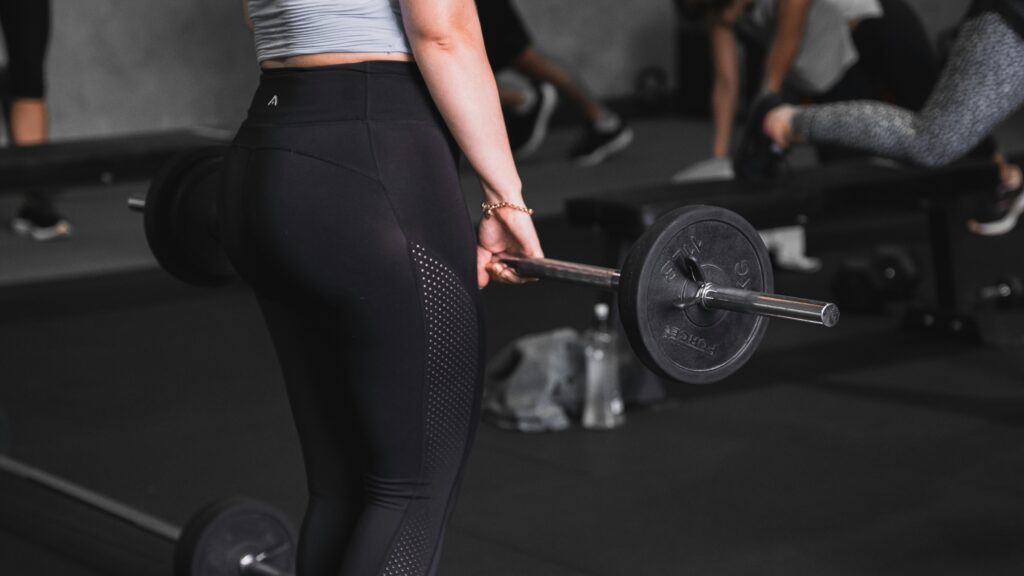
The fitness industry is often influenced by trends— from Aerobics, Step, Aqua , Boot Camps, HIIT, Pilates, yoga, and “functional fitness.” For over 3decades, as I have seen the evolution, since recently heavy weight training was viewed as the exclusive method of bodybuilders and powerlifters, an activity perceived as risky or unnecessary for the average person seeking General &Health “wellness.” However, the scientific and medical community has shifted its stance , Old school coaches & performance coaches, we have stood our ground training our clients and athletes with these methods.
Fast forward to 2026, lifting heavy weights is recognized not just as a tool for muscle growth, but as one of the most powerful interventions for improving longevity, metabolic health, mental well-being, and quality of life as we age.
Why Heavy Loads:
The definition of “wellness” extends far beyond the absence of disease. It combines physical function, mental resilience, and the ability to enjoy life without limitation with ease of movement. Heavy weight training
1. Sarcopenia and Osteoporosis
The main benefit of heavy lifting as we age lies in its ability to fight the two major musculoskeletal factors of aging: sarcopenia (age-related muscle loss) and osteoporosis (bone density loss).
- Sarcopenia: After the age of 30, adults lose 3-8% of their muscle mass per decade, accelerating after 60. This loss is directly linked to frailty, falls, and loss of independence as activities of daily living . According to a study published in the journal Sports Medicine confirms that progressive resistance training (PRT) is the most effective method for increasing muscle mass and strength in older adults. Heavy loading provides the mechanical tension necessary to stimulate muscle protein synthesis, directly counteracting the catabolic effects of aging.
- Osteoporosis: Bones adapt to the loads placed upon them. Research, including a meta-analysis in the Journal of Bone and Mineral Research, proves that high-intensity resistance training (80-85% of 1RM) significantly increases bone mineral density in the spine and hip—key areas for fracture risk especially among adults . The “stress” of heavy lifting signals osteoblasts (bone-building cells) to lay down new bone tissue, making the skeleton denser and more resilient with adaptation.
Note: Best is to identify osteopenia at early stage with your physician to prevent osteoporosis
2. Metabolic Health and Disease Prevention
Heavy weight training has a significant impact on how the body processes energy, making it a essential tool for preventing and managing chronic disease.
- Insulin Sensitivity: Muscle is the primary site of glucose usage. A study in the journal Diabetes Care found that resistance training improves glycemic control and insulin sensitivity more effectively than aerobic exercise alone in individuals with type 2 diabetes . By increasing muscle mass, you create a larger “tank ” for glucose to be stored, lowering blood sugar levels.
- Resting Metabolic Rate (RMR): Muscle is metabolically active tissue. For every lean pound of muscle gained, the body burns an additional 6-10 calories per day at rest . While this may seem insignificant, over time, preserving or building muscle through heavy lifting helps prevent the metabolic slowdown associated with aging and calorie-restricted diets.
3. Mental Health and Cognitive Function
The benefits of heavy lifting extend far beyond the neck down. A study published in JAMA Psychiatry investigated the effects of resistance training on anxiety . The research found that resistance training significantly reduced anxiety symptoms in both healthy participants and those with a diagnosed mental illness. The pathways are believed to be a combination of neurochemical changes (release of endorphins and BDNF), improved self-efficacy, and the meditative focus required to execute complex lifts.
Furthermore, lifting heavy weights requires focus and “mind-muscle connection,” which can serve as a form of active mindfulness, pulling the lifter away from the distracting thoughts that often fuel stress and depression.
4. Improved Body Composition
While “wellness” is not about aesthetics, body composition is a key marker of metabolic health. Heavy lifting is superior to steady-state cardio for improving body composition because it builds lean mass while burning fat. The “afterburn effect,” or Excess Post-Exercise Oxygen Consumption (EPOC) , is significantly higher after intense resistance training compared to aerobic exercise . This means the body continues to burn calories at an elevated rate for hours after the workout is over.
Negatives and Potential Risks
Heavy weight training is a potent medicine, but like any medicine, improper dosage or technique, guidance can lead to adverse effects. Some of the common issues are undermentioned :
1. Acute Injury
The most cited negative of heavy lifting is the risk of musculoskeletal injury, particularly to the lower back, shoulders, and knees. This risk is almost entirely mitigated by proper form, gradual progression, and avoiding ego lifting (attempting weights beyond one’s capability). Research indicates that the injury rate per 100 hours of weight training is relatively low compared to many sports, but it spikes dramatically when exercises like the squat, bench press or deadlift are performed with poor lumbar posture .
2. Cardiovascular Risk
While heavy lifting is beneficial for the heart long-term, the acute increase in blood pressure during a maximal lift (the Valsalva maneuver) can be a concern as this is essential technique to use once properly progresses. Individuals with uncontrolled hypertension should consult a physician and avoid maximal lifts, focusing instead on moderate loads with controlled breathing with proper recovery and and periodization of their workout and active lifestyle patterns.
3. Overtraining and Hormonal impact
More is not better. Lifting heavy weights too frequently without adequate recovery can lead to overtraining syndrome. This can manifest persistent fatigue, disrupted sleep, and elevated cortisol levels, which can actually counteract the muscle-building and fat-loss goals of the program.
A Practical Tips for Wellness
The goal of heavy lifting for wellness is not to become a powerlifter, but to build a long lasting, healthy , capable body for life. This requires a different approach than that of an athlete or bodybuilder.
1. Frequency and Recovery
For general wellness, 2-3 full-body sessions per week are sufficient to stimulate muscle growth and strength gains . This frequency allows for adequate recovery (48-72 hours between sessions), which is important for hormone regulation and joint health. Rest days should include light activity (walking, stretching) to promote blood flow.
2. Exercise Selection.
Focus on multi-joint, compound movements that work for the body, not against it. These movements provide the most “bang for your buck” in terms of muscle activation, hormone release, and functional carryover to daily life.
- The “Hinge” (Deadlift variations): Teaches the body to pick things up off the floor safely.
- The “Squat” (Goblet or Barbell squats): Builds the strength to get in and out of chairs and cars.
- The “Push” (Bench or Overhead press): Maintains the ability to push heavy objects or get up off the ground.
- The “Pull” (Rows or Pulldowns): Counteracts the forward-rounded posture of modern desk life.
- The “Rotation” (Cables, Bands & Med Balls) : This will aid task such walking, moving objects right to left or vice versa, playing recreational sports and most of the Activities of daily living which requires the rotary component.
3. Progressive Overload
To continue seeing results, the body must be challenged. This does not always mean adding more weight. Progressive overload can be achieved by:
- Increasing the weight lifted.
- Increasing the number of repetitions or sets.
- Decreasing rest time between sets.
- Improving the range of motion.
4. When NOT to Lift Heavy
- Acute Pain: If you experience sharp joint pain (as opposed to muscle fatigue), stop. This is a signal that technique is off or an injury is present.
- During Illness: Lifting heavy while sick, places undue stress on the body and prolongs recovery.
- When Chronically Stressed: If life stress and cortisol are already high, a heavy lifting session can add to the physiological load. Opt for lighter movement or rest.
Heavy weight training is not only “good” for wellness—it is essential for optimizing the human movement through the years. The scientific consensus, supported by decades of research, confirms that lifting heavy loads is the most effective way to combat the physical decline of aging, manage metabolic health, and develop mental resilience.
It is a myth that heavy lifting is inherently dangerous or only for the young and athletic. When approached with knowledge, proper technique, and a focus on progressive consistency over ego, the resistance training becomes a tool not for building a “bodybuilder’s physique,” but for building a body that is capable, confident, and resilient for a lifetime. In the pursuit of wellness, strength is never a weakness.
If you like to read more on “Total Wellness” checkout the books
Wellness : https://www.amazon.com/WELLNESS-EVEXIA-365-CCCLXV-Perspective/dp/B0CDZ21SNN/
Mind Set : https://www.amazon.com/WHEN-LIFE-SHOCKS-YOU-WHAT/dp/B0D3RBPWFC/
Wellness & Recovery tools : https://www.amazon.com/shop/ranilharshana/list/2IQCZDHXGRNEC?ref_=aip_sf_list_spv_ofs_mixed_d
Air & Water purification : https://www.amazon.com/shop/ranilharshana/list/1TKCJTI2TB0G8?ref_=aip_sf_list_spv_ofs_mixed_d
References
- Westcott, W. L. (2012). Resistance training is medicine: effects of strength training on health. Current Sports Medicine Reports, 11(4), 209-216.
- Schoenfeld, B. J., Ogborn, D., & Krieger, J. W. (2016). Dose-response relationship between weekly resistance training volume and increases in muscle mass: A systematic review and meta-analysis. Journal of Sports Sciences, 35(11), 1073-1082.
- Peterson, M. D., Rhea, M. R., & Sen, A. (2010). Resistance exercise for muscular strength in older adults: A meta-analysis. Ageing Research Reviews, 9(3), 226-237.
- Howe, T. E., Shea, B., Dawson, L. J., et al. (2011). Exercise for preventing and treating osteoporosis in postmenopausal women. Cochrane Database of Systematic Reviews, (7).
- Strasser, B., & Schobersberger, W. (2011). Evidence for resistance training as a treatment therapy in obesity. Journal of Obesity, 2011, 482564.
- Gordon, B. R., McDowell, C. P., Hallgren, M., et al. (2018). Association of Efficacy of Resistance Exercise Training With Depressive Symptoms: Meta-analysis and Meta-regression Analysis of Randomized Clinical Trials. JAMA Psychiatry, 75(6), 566–576.
- Greer, B. K., Sirithienthad, P., Moffatt, R. J., et al. (2015). EPOC Comparison Between Resistance Training and High-Intensity Treadmill Training. Journal of Strength and Conditioning Research, 29(11), 3070-3076.
- American College of Sports Medicine. (2009). Progression models in resistance training for healthy adults. Medicine & Science in Sports & Exercise, 41(3), 687-708.
- Keogh, J. W., & Winwood, P. W. (2017). The Epidemiology of Injuries Across the Weight-Training Sports. Sports Medicine, 47(3), 479-501.