
http://Strengthattack.com
http://Tennisbpm.com
http://Evexia365.com
Tennis is a game of high-intensity intervals. Between the explosive multidirectional sprints in , the 120 mph serves, and the grueling baseline rallies that can go past three hours, this is not an one off thing from juniors to pro imagine you playing from Qualifying proceeding to main draw and to the final tournament after tournament in different countries, most important thing you need is to be prepared as your body isn’t just losing water—it’s losing the specific mineral salts that keep your muscles firing and your mental focus sharp.
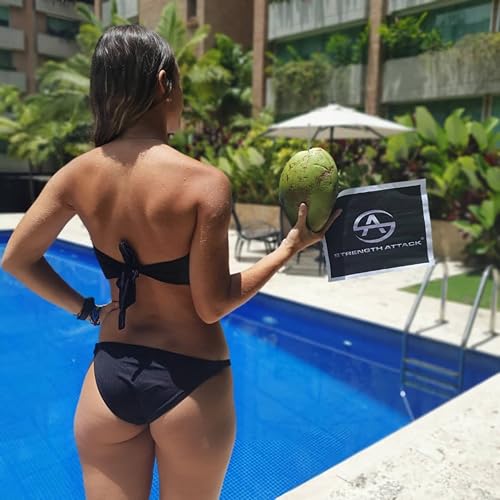
While the standard Green Coconut is a solid baseline choice available commonly around the world , elite players and sports scientists are increasingly looking toward the King Coconut (Thambili). Native to Sri Lanka, this orange-skinned variety is more than just a refreshing drink; it is a bio-optimized electrolyte powerhouse.
I can personally vouch when in south Asia or when available in America , central Asia, Europe etc. for the past 3 decades I have opted for the orange version even at a high price point for my players leading by example for undermentioned reasons.
Check the our Tube King Coconut https://studio.youtube.com/video/dzCNC7iTrxs/edit
CocoNUT Scorecard: Green vs ORANGE
In professional tennis or even junior circuit , the “Gold Standard” for a mid-match beverage is high bioavailability and rapid gastric emptying (meaning it doesn’t sit heavy in the stomach and hinders tennis performance).
| Content | Green (Tender) Coconut | King Coconut (Thambili) | Tennis Performance |
| Potassium (K+) | ~250 mg / 100ml | ~312 mg / 100ml | Preventing muscle cramps and regulating heartbeat. |
| Magnesium (Mg++) | ~25 mg / 100ml | ~30 mg / 100ml | Reduces muscle soreness and supports ATP (energy) production |
| Total Sugars | ~4-5% | ~6% | Provides a slightly higher, immediate glucose spike for “between-point” recovery. |
| Phenolic Content | Standard | Higher (26.25 μg/ml) | Powerful antioxidants that combat oxidative stress caused by training in high UV/heat. |
3 CoCOUNT Advantages for the Tennis Court
1. Anti-Cramping
Tennis-induced cramps often stem from a deficit in the potassium-sodium pump mechanism. While most sports drinks focus heavily on sodium, tennis players frequently suffer from “late-match fatigue” caused by potassium depletion. King Coconut water contains roughly 25% more potassium than the average green coconut. This helps maintain the electrical flow across your muscle cell membranes, allowing for explosive movement even in the final game.
2. Glycemic Efficiency
Research indicates that King Coconut water has a higher concentration of sucrose and glucose (the “reducing sugars”) compared to the green variety. For a tennis player on a 90-second changeover, this means faster absorption. It provides a clean energy that prevents the mental fog that occurs when blood glucose levels dip during a long match.
3. Gastric Tolerance & Heavy Stomach
One common complaint with commercial sports drinks—and even some heavier green coconuts—is bloating. The King Coconut is naturally more “watery” and less dense in fats/fibers than the green variety. This leads to a higher transmittance percentage (clarity), meaning it passes through the gut quicker, hydrating your cells without leaving you feeling sluggish at the baseline.
How to Use It
To optimize your tennis performance, treat coconut water as a functional tool which aids your physiology rather than just a thirst-quencher:
- Pre-Match (60 mins before): Drink 300ml of King Coconut water. Its high magnesium content helps settle “pre-match jitters” by regulating the nervous system. ( this may vary from players individual tolerance ).
- The “Salt dash” (During Play): Coconut water is naturally low in sodium. Since you lose significant sodium through sweat, add one pinch of sea salt to your King Coconut water bottle. This creates a “Perfect Isotonic” that mirrors human sweat profiles.
- The Recovery Window (Post-Match): Within 30 minutes of walking off the court, consume 500ml. The antioxidants (phenolics) in the King Coconut help neutralize the free radicals generated during intense physical exertion, speeding up your turnaround time for the next day’s match.
OranGE KING COCONUT Wins on Performance
For the recreational or non competitive players , the Green Coconut is an excellent, healthy alternative to soda. However, for the competitive athlete training in high heat or playing multi-hour matches, the King Coconut (Thambili) is the superior biological choice. Its higher electrolyte density, faster absorption, and potent antioxidant profile make it the #1 choice ” for the modern tennis player.
For those doubt and want scientific evidence to decide and validate the electrolyte density, rehydration efficiency, and comparative analysis between Cocos nucifera (Green) and Cocos nucifera var. aurantiaca (King).
Read the following books for additional details.
Tennis Fitness https://www.amazon.com/tennis-fitness/dp/1492867969
Tennis Wellness & Performance https://www.amazon.com/dp/B0DPL48X51
Wellness Evexia https://www.amazon.com/WELLNESS-EVEXIA-365-CCCLXV-Perspective/dp/B0CDZ21SNN/
Tennis gear and equipment https://www.amazon.com/shop/ranilharshana/list/1A104W2N5FIHY?ref_=aip_sf_list_spv_ofs_mixed_d
References
- Appaiah, P., Sunil, L., Kumar, P. K., & Krishna, A. G. (2014). Physico-chemical characteristics and lipoprotein profile of coconut water from different varieties. Journal of Food Science and Technology, 51(11), 3358-3363.
- Janick, J., & Paull, R. E. (2008). The Encyclopedia of Fruits and Nuts. CABI Publishing. (Technical breakdown of the aurantiaca variety and its specific mineral concentration).
- Kalman, D. S., Feldman, S., Krieger, D. R., & Bloomer, R. J. (2012). Comparison of coconut water and a carbohydrate-electrolyte sport drink on measures of hydration and physical performance in exercise-trained men. Journal of the International Society of Sports Nutrition, 9(1), 1.
- Lima, E. B., Sousa, C. N., Meneses, L. N., Ximenes, N. C., Santos, M. A., Vasconcelos, G. S., … & Vasconcelos, S. M. (2015). Cocos nucifera (L.) (Arecaceae): A phytochemical and pharmacological review. Brazilian Journal of Medical and Biological Research, 48(11), 953-964.
- Nidheesh, T., & Rajalakshmi, D. (2013). Prophylactic and curative effect of coconut water on cardiovascular health. International Journal of Pharma and Bio Sciences, 4(1), 403-415.
- Saat, M., Singh, R., Sirisinghe, R. G., & Nawawi, M. (2002). Rehydration after exercise with fresh young coconut water, carbohydrate-electrolyte beverage and plain water. Journal of Physiological Anthropology and Applied Human Science, 21(2), 93-104.
- Waseem, S. S., & Gupta, S. (2015). Comparison of nutritional value of King Coconut water and Tender Coconut water. International Journal of Food Science and Nutrition, 1(1), 7-12.